




There are songs you listen to, and there are songs that explain a moment in history. Protest songs fall into the second category. They are not written just to entertain — they are written because something is broken, unfair, violent, or unjust, and the artist refuses to stay quiet.
From folk to soul, reggae to hip-hop, punk to arena rock, protest music has always followed the same purpose: to tell the truth, document the times, and give people something to stand behind.
When Bob Dylan wrote Blowin’ in the Wind, he wasn’t yelling or accusing — he was asking questions that everyone already knew the answers to. The song became an anthem of the Civil Rights Movement because it compelled the United States to confront its own shortcomings.

Then Sam Cooke released “A Change Is Gonna Come,” which may be one of the most emotionally powerful protest songs ever recorded. It wasn’t political in the traditional sense — it was human. It was about dignity, patience, and the belief that progress would eventually come, even if the present was painful.

By the late 1960s and early 70s, protest songs became less patient and more direct.
Fortunate Son by Creedence Clearwater Revival attacked class inequality during Vietnam, pointing out that rich kids avoided war while working-class kids were sent to fight it.

Ohio by Crosby, Stills, Nash & Young documented the Kent State shootings almost in real time — music acting as journalism.
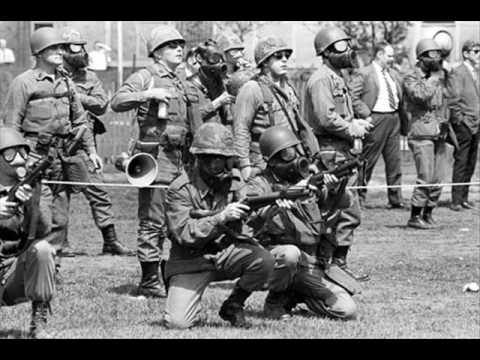
Then there is Born in the U.S.A. by Bruce Springsteen, one of the most misunderstood protest songs ever written. On the surface, it sounds like a patriotic anthem shouted in a stadium. But if you actually listen to the verses, it’s about a Vietnam veteran who comes home to unemployment, indifference, and abandonment. It’s not a song celebrating America — it’s a song asking America to take care of its people.

As music moved into the 80s and 90s, protest songs became louder and more confrontational.
Public Enemy’s Fight the Power didn’t ask for change politely — it demanded it.

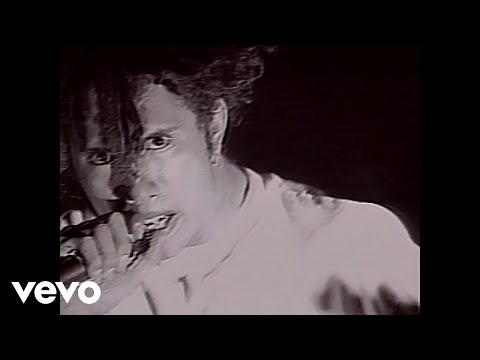
Rage Against the Machine’s Killing in the Name turned protest into pure sonic aggression, a song built on anger at systemic racism and abuse of authority.
These songs are very different musically — folk, soul, rock, reggae, hip-hop — but they all do the same thing:
They document injustice and give people something to rally around.
That’s why protest songs don’t really belong to one era.
They resurface again and again because the issues they talk about — war, inequality, racism, corruption, workers’ rights, human rights — never completely disappear.
The most powerful thing about protest music is this:
It turns emotion into action.
It makes people feel less alone.
It gives movements a soundtrack.
It preserves history in three-minute recordings.
Long after speeches are forgotten, and headlines fade, people still remember the songs.
And that’s why protest music has always mattered — and always will.


