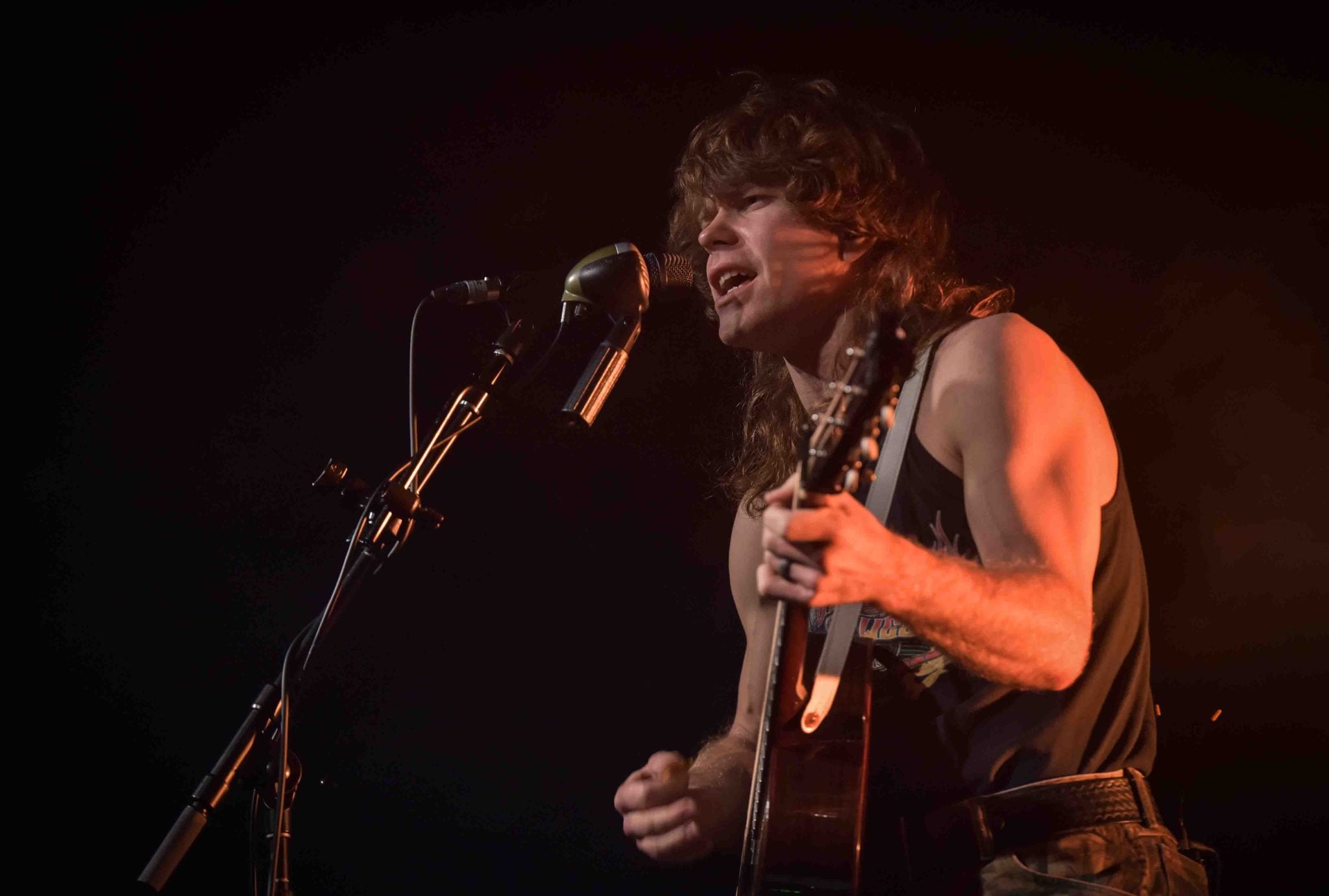


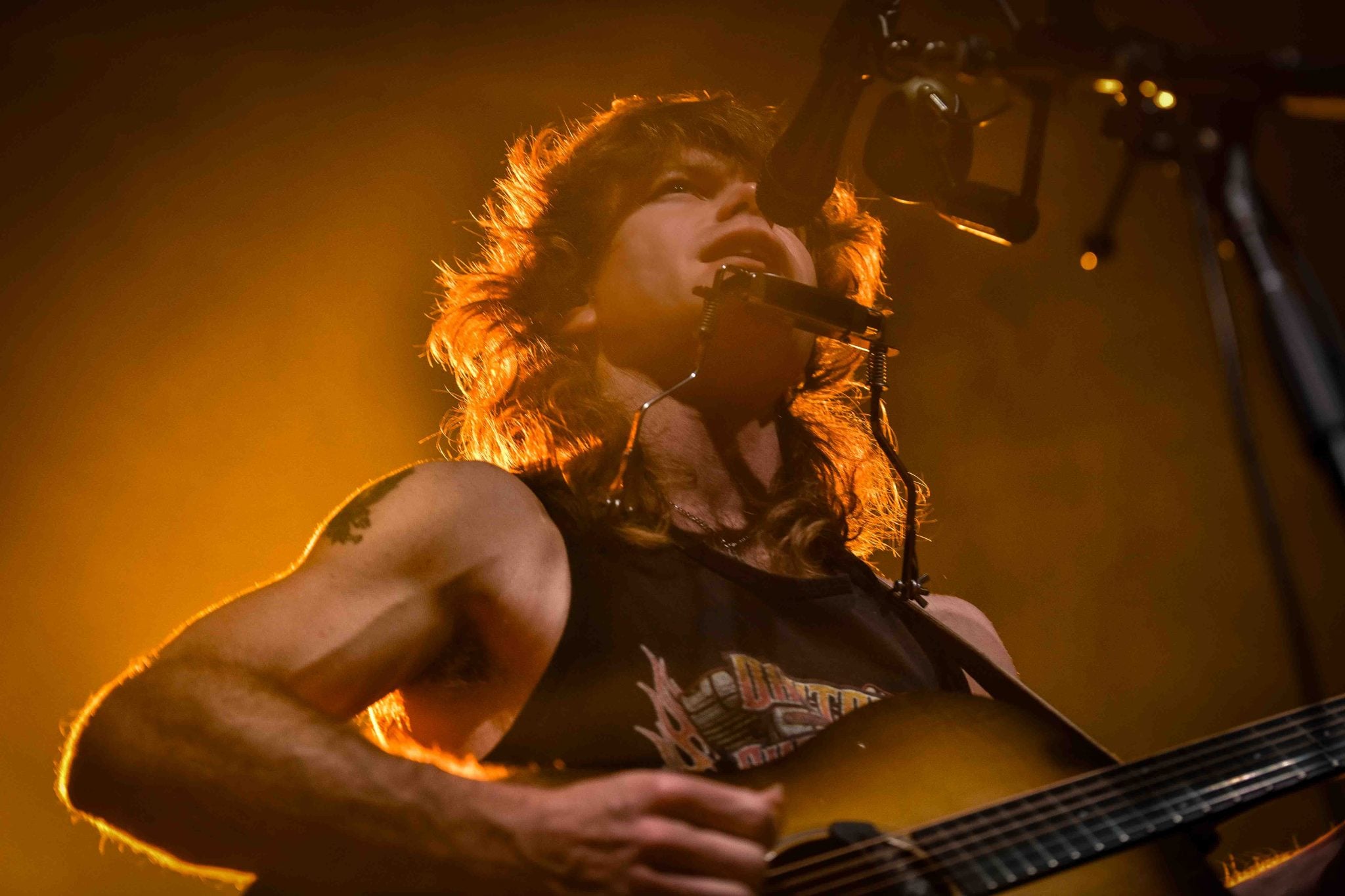
There are concerts, and then there are moments when music feels necessary. The performance by Jesse Welles in Minneapolis was firmly the latter.
Taking the stage with the quiet confidence of someone who understands the weight of words, Welles didn’t just play songs—he delivered them like dispatches from the front lines of a restless country. His voice carried the grit and honesty of classic American protest music, the kind that doesn’t hide behind metaphor when the moment calls for truth.
From the first chords, the room leaned in.
Welles’ songwriting lives in the space where folk storytelling meets political nerve, and in Minneapolis—a city that has spent years grappling with justice, identity, and resistance—those songs landed with extra gravity. Every lyric felt sharpened by the times.
Then came the moment that cracked the room open.
“One, two, three, four — we don’t want your f**king war.”
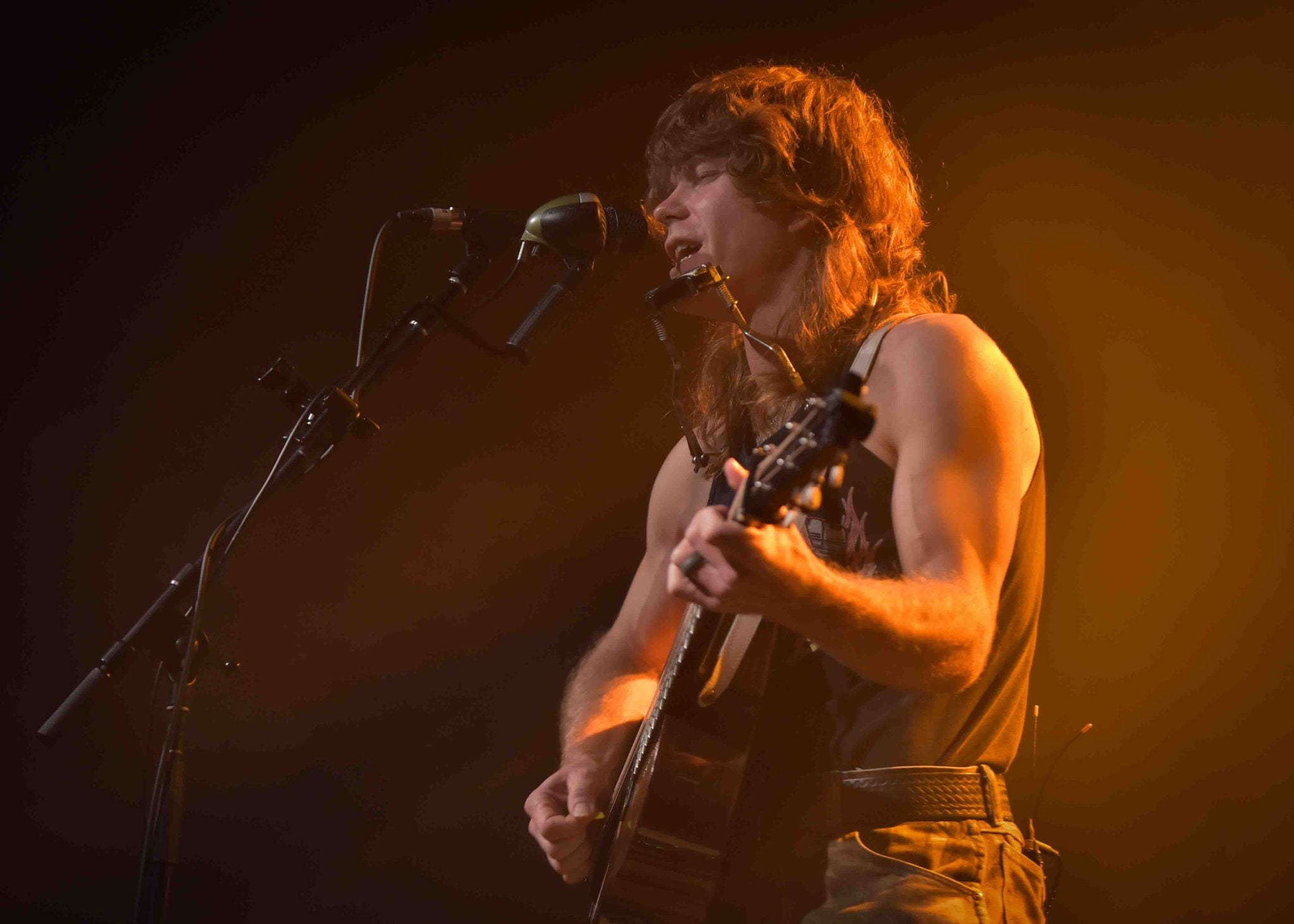
When Welles shouted the count into the microphone, the room snapped to attention. It wasn’t polished, and it wasn’t meant to be. It was raw, direct, and rooted in the long tradition of protest music that values truth over perfection.
The chant landed like a spark.
Within seconds, the crowd picked it up—voices stacking together until the room felt less like an audience and more like a chorus of refusal. Welles stood in the center of it with a guitar and a grin that suggested he knew exactly what he had started.
Moments like that are where his music lives—somewhere between folk storytelling and street-corner defiance. In Minneapolis, a city that understands the power of collective voice, the chant didn’t feel theatrical. It felt natural.
For a moment, the line between performer and crowd disappeared. It was just a room full of people counting together and pushing back together.
And that’s the thing about a Jesse Welles show: sometimes the loudest instrument in the room isn’t the guitar.
It’s the crowd.
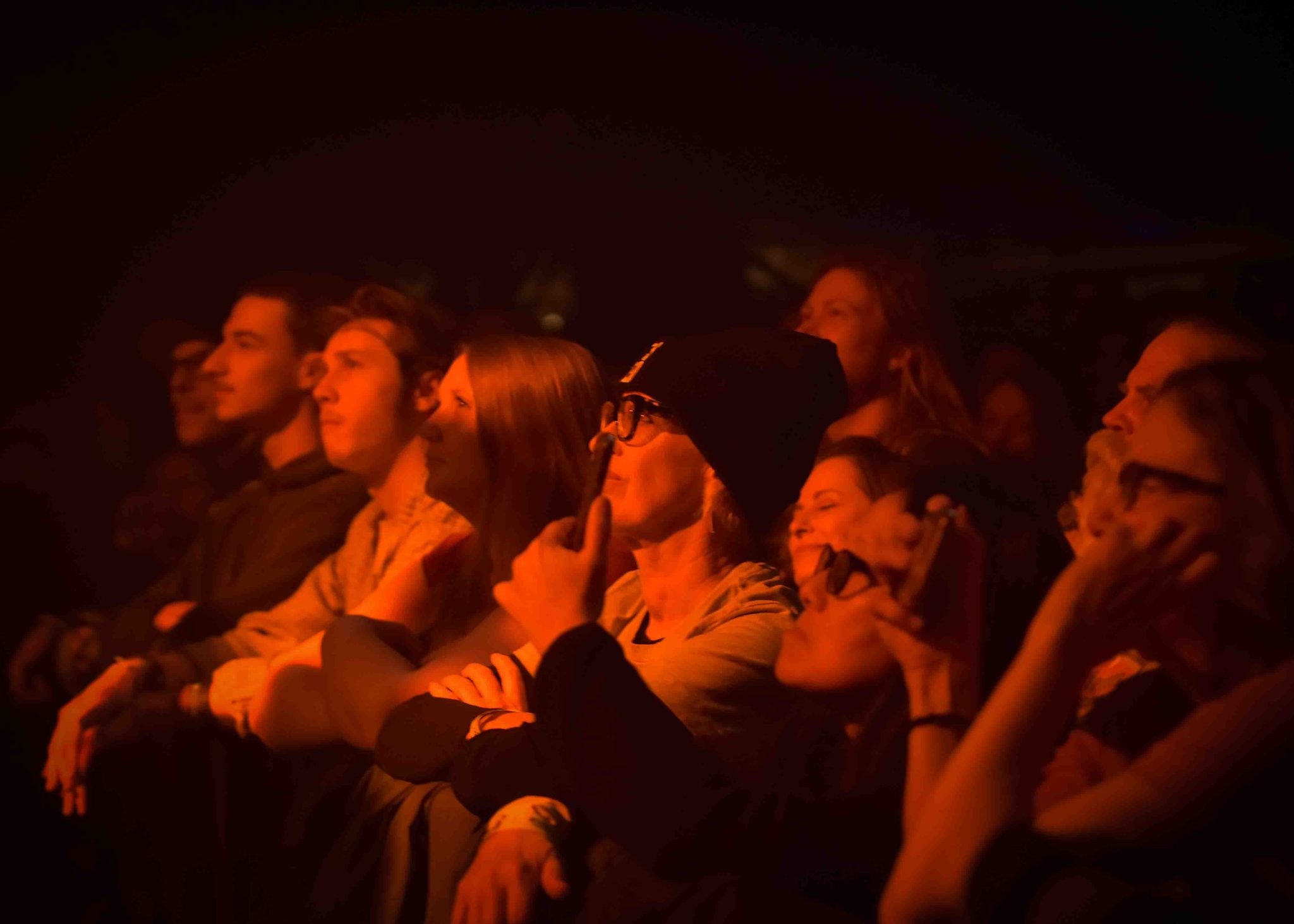
What makes Welles compelling isn’t volume or spectacle—it’s conviction. Armed mostly with a guitar and a voice that knows when to crack and when to push, he delivered songs that felt both deeply personal and unmistakably communal. The audience recognized themselves in the stories—working people, restless citizens, a crowd that understands the power of standing together.
Between songs, the atmosphere wasn’t just appreciative—it was reflective. Minneapolis has become a symbol of a broader American struggle, and Welles seemed fully aware of the ground he was standing on.
His performance felt less like entertainment and more like a reminder: art still has the power to challenge, to unify, and to keep people from giving in to silence.